3 hr 30 min
Munich Beer Halls & Breweries Walking Tour
Discover Bavaria's brewing heritage through historic taverns and centuries-old brewhouses
Reserve
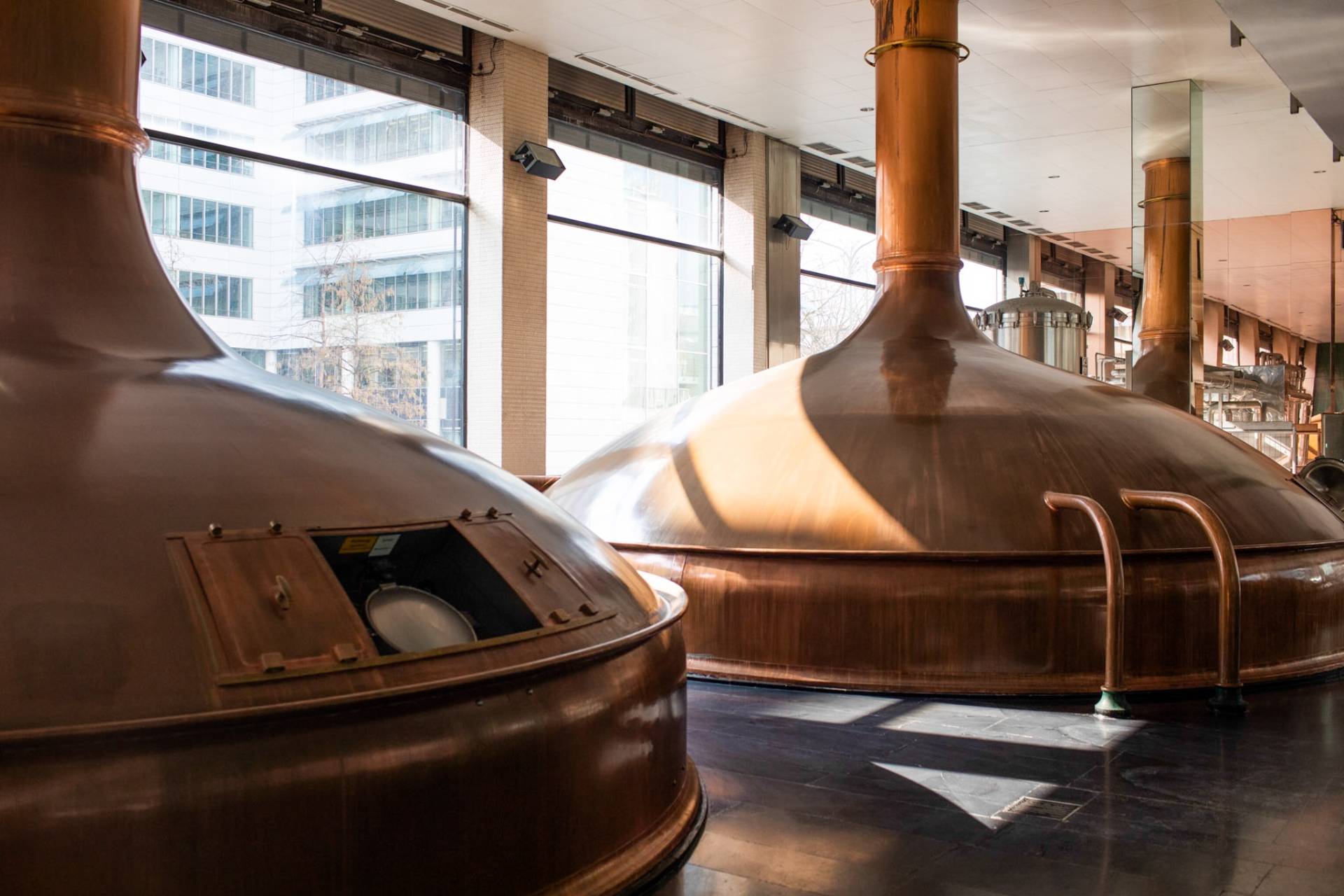
Copper kettles and cellar cool, malt smoke over Altstadt stone.
Hand-picked by our editors — only the best 5 experiences from 140 reviewed.
Verified partners for every tour, free cancellation where available, and instant confirmation on every booking.
3 hr 30 min
Discover Bavaria's brewing heritage through historic taverns and centuries-old brewhouses
Reserve
3 hr 30 min
Explore Bavarian brewing traditions with tastings, dinner, and exclusive museum access
Reserve
3 hr
Explore Munich's legendary brewing traditions with tastings at authentic beer halls and gardens
ReservePrices from verified partners. Availability updates in real time at checkout. Free cancellation policies apply where shown.
The landmarks, rooms, and views travelers on this tour remember — all visible on a single visit.
This 'stairway to heaven' is a 500-year-old historic staircase connecting the floors of the museum.
Explore memorabilia from 1810, including original wedding tokens from the royal wedding.
Learn about the brewing tradition and the history of one of Munich's oldest breweries.
Discover the 1516 Reinheitsgebot through historic documents and brewing tools.
A cozy tavern offering authentic Bavarian beer and traditional food.
They complement each other; most visitors who do both call the guided Munich brewery tour tours more socially engaging, while the museum provides the deeper historical context. You can book munich brewery tour tickets for guided walks or visit the museum independently for a self-paced look at local heritage.
| Feature | Top pick Beer & Oktoberfest Museum | Guided Brewery Walking Tours |
|---|---|---|
Experience Type |
Static museum exhibition | |
Educational Focus |
Deep historical and cultural study | |
Social Interaction |
Independent exploration | |
Flexibility |
High (self-paced) | |
Time Commitment |
1–2 hours | |
Core Inclusions |
4 EUR (summer) museum entry | |
| See tickets → |
Verdict: Choose the museum for a focused look at brewing traditions, or select a munich brewery tour tour if you prefer an active group setting with local social atmosphere.
Choose your ticket, select your date, and reserve in under two minutes. Secure checkout handled by our verified partner.
Instant confirmation by email, with a mobile voucher you can save offline. No printing, no queuing at a collection desk.
Arrive at the entrance, show your voucher on your phone, and walk in. Most tickets include priority or skip-the-line access.
Best time to go, insider tips, nearby landmarks, and the cancellation fine print — flip through to skim what matters to you.
How crowds, weather, and events shift across the year.
Ideal weather for walking tours and outdoor beer gardens.
Less crowded; enjoy the exhibits before the main tourist season.
Peak season for Oktoberfest enthusiasts visiting the museum.
Busy month; plan your arrival early to avoid peak crowds.
Small details that turn a good visit into a great one.
Visit between 11:00 and 18:00 to avoid the largest crowds.
Climb the historic 'Himmelsleiter' for the full experience.
Book an official guided tour for deeper context on Munich brewing.
Visit the nearby Viktualienmarkt before or after your museum visit.
Keep small change for museum restaurant purchases.
Non-bookable sights within a short walk — free to visit, easy to pair.
The central heart of the city featuring the New Town Hall.
One of the four main gates of the medieval city wall.
Famous daily food market offering local delicacies.
The oldest parish church in the city center.
Flexible, no hidden fees.
Contact the venue directly if your munich brewery tour tickets require specific adjustment based on the operator's terms.
Hand-picked options within walking distance — pick a district for vibe, or a specific hotel for convenience.
Central area with numerous historic hotels.
Charming boutique stays near the museum.
High-end luxury accommodations in the center.
Bavaria's Reinheitsgebot of 1516 permitted brewers three ingredients only: barley, hops and water. Yeast was invisible then, and unnamed. That decree still shapes what is poured across Munich five centuries later, and it explains why a munich brewery tour here reads less as novelty than as civic archive. The city's brewing houses grew from monastic cellars into industrial powers. Augustiner traces its line to an Augustinian monastery founded in 1328. Hofbräuhaus began in 1589 as the ducal court brewery, established because Wilhelm V disliked the beer available to his household. Paulaner, Spaten, Löwenbräu and Hacker-Pschorr followed, and together the six hold the exclusive right to pour at Oktoberfest — a monopoly defended since the festival's first edition in 1810, when it was staged as a royal wedding celebration on the meadow now called Theresienwiese. It is among the oldest surviving buildings in the Altstadt: crooked timber staircases, low beams, plank floors that slope where centuries settled them. The building itself is the primary exhibit. Inside, displays trace malting, mashing and lagering, the copper kettle, the ice cellar and the shift from cloudy brown Braunbier to the pale Helles that now defines the Bavarian table. Oktoberfest ephemera fills the upper floors — early ride posters, waitress steins, ration-era brewing records. Context matters here more than spectacle. Munich beer culture is bound up in the Wirtshaus, the beer garden and the chestnut trees planted to shade cellars before refrigeration existed — the reason those gardens still stand where they do. Any bierführung münchen worth the name moves between these registers: production, architecture, ritual. Guided munich brewery tour tours in the Altstadt link Hofbräuhaus, Viktualienmarkt and the surviving brewery taprooms within a compact grid of streets, and several pair the walk with museum admission, priced at 4 EUR for standard adult entry. The Reinheitsgebot has been amended, litigated and partly overtaken by European law. Wheat, once forbidden to commoners and reserved for the dukes, is now poured everywhere as Weissbier. Yet the underlying idea — that beer is a regulated public good, not merely a drink — remains legible in every cellar, kettle and shaded courtyard the city has kept standing.

"The building itself is the primary exhibit."
Yes, you are welcome to take photos for personal use while exploring the history of beer during your munich brewery tour.